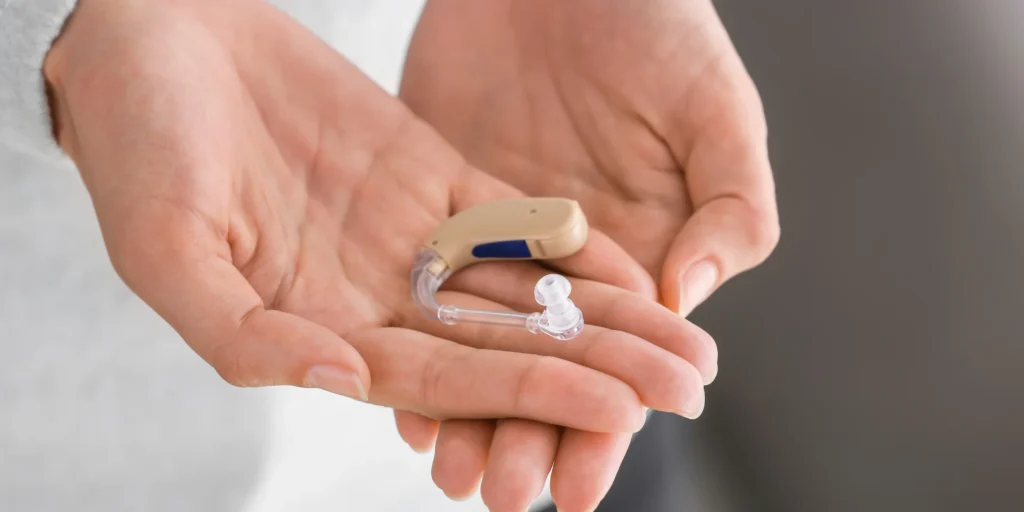
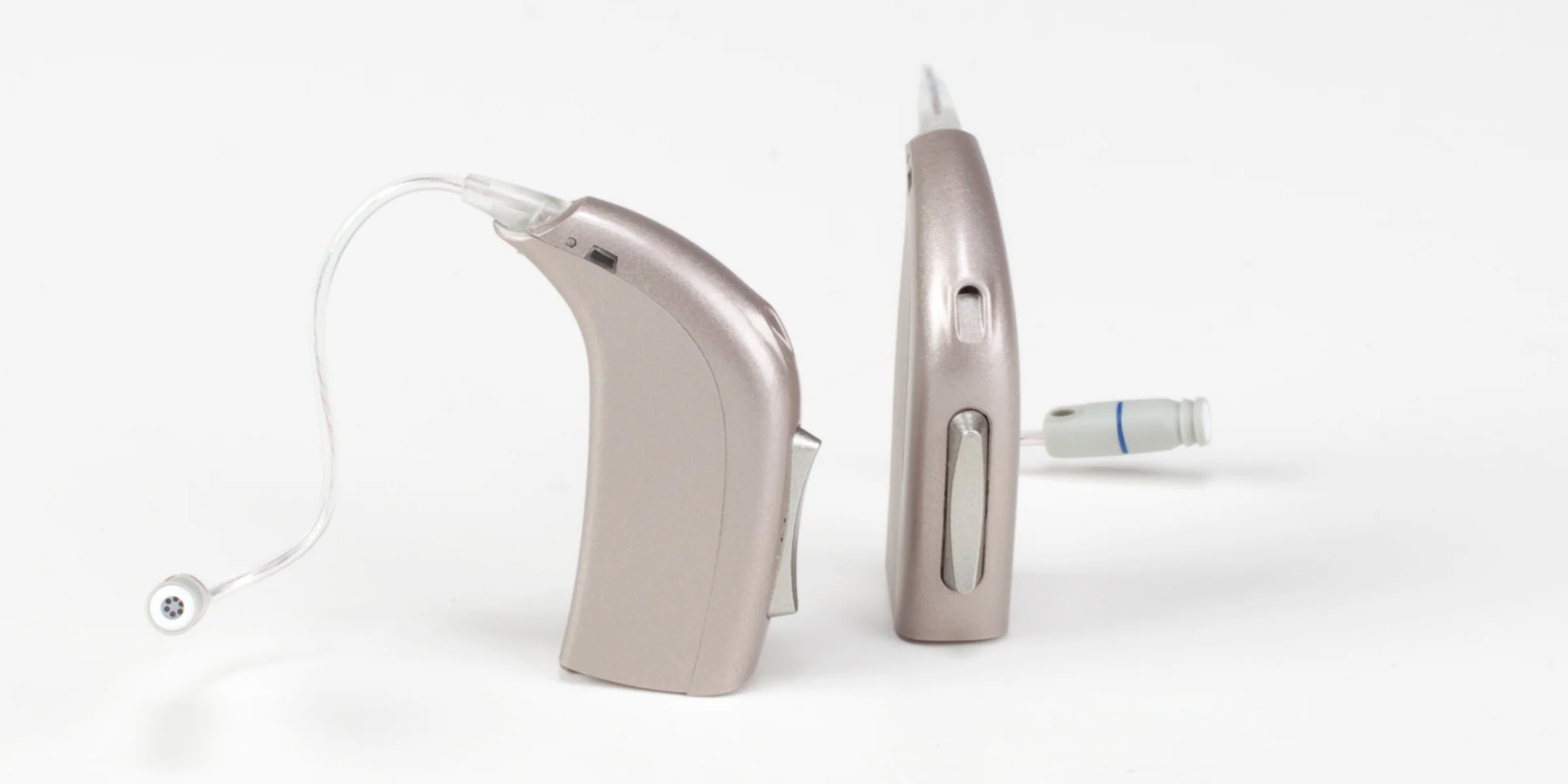
Hearing aids are a valuable investment that helps you stay connected to the world around you. Whether you use them for conversations, work, or daily activities, taking proper care of your hearing aids is essential to ensure they last longer and perform at their best. With the right maintenance and habits, you can extend the lifespan of your hearing aids and avoid frequent repairs or replacements.
Why Proper Care of Hearing Aids is Important
Hearing aids are delicate electronic devices that are exposed to moisture, dust, earwax, and daily wear and tear. Without proper care, their performance can decline over time. Regular maintenance not only improves sound quality but also ensures reliability and comfort. Well-maintained hearing aids can last between 3 to 7 years or even longer.
Tips to Maximize the Lifespan of Your Hearing Aids
1. Keep Your Hearing Aids Clean
Daily cleaning is one of the simplest ways to maintain your hearing aids. Use a soft, dry cloth or a special cleaning brush to remove earwax and debris. Avoid using water or cleaning agents, as moisture can damage internal components.
Tip: Clean your hearing aids at the end of each day to prevent buildup.
2. Protect Them from Moisture
Moisture is one of the biggest enemies of hearing aids. Sweat, humidity, and accidental exposure to water can damage sensitive electronics.
What You Can Do:
- Remove hearing aids before bathing or swimming
- Store them in a dry place
- Use a hearing aid dehumidifier regularly
3. Handle with Care
Hearing aids are small and delicate, so handling them carefully is important. Dropping them or applying pressure can cause damage.
Best Practice:
Always hold them over a soft surface like a bed or table while inserting or removing them.
4. Store Them Properly
When not in use, store your hearing aids in a protective case. Avoid leaving them in extreme temperatures, such as inside a car on a hot day or near heaters.
Storage Tips:
- Keep them in a cool, dry place
- Open the battery compartment when not in use
- Keep them away from children and pets
5. Replace Batteries on Time
If your hearing aids use disposable batteries, replace them as soon as they run low. Weak batteries can affect sound quality and performance.
Pro Tip:
Keep spare batteries with you, especially when traveling.
6. Avoid Earwax Build-Up
Earwax can block the microphone and receiver, reducing sound clarity. Regular cleaning and using wax guards can help prevent this issue.
Suggestion:
Schedule periodic ear check-ups to manage excess earwax.
7. Schedule Regular Check-Ups
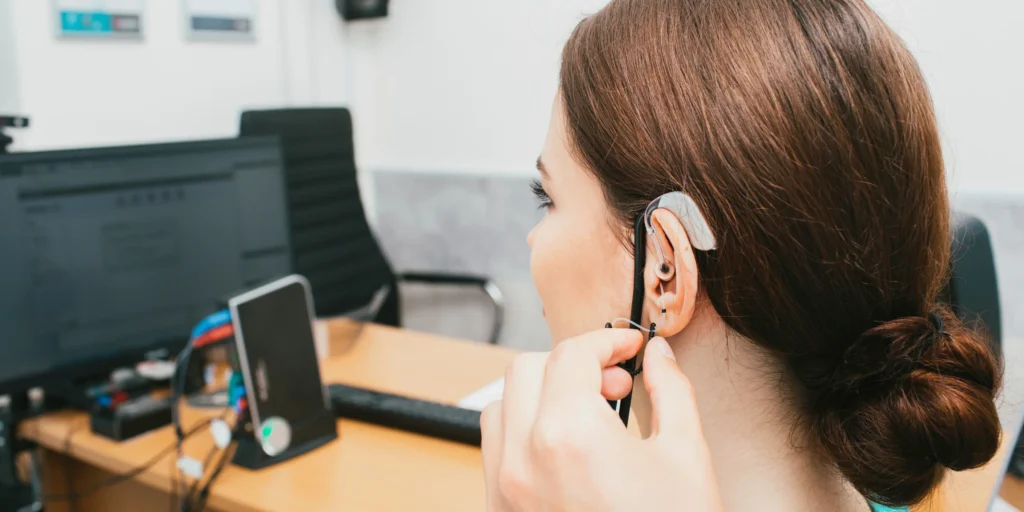
Routine visits to your audiologist ensure your hearing aids are functioning properly. Professionals can clean, adjust, and fine-tune your devices for optimal performance.
Recommended:
Visit your hearing care specialist at least once or twice a year.
8. Use a Dehumidifier or Drying Kit
A hearing aid dehumidifier removes moisture that builds up inside the device. This is especially useful in humid climates or for individuals who sweat more.
Benefit:
Prevents internal damage and extends device life.
9. Keep Away from Chemicals
Hair sprays, perfumes, and cosmetics can damage hearing aids. Always remove your devices before applying such products.
Tip:
Put your hearing aids back on only after the products have dried completely.
10. Update and Maintain Settings
Modern digital hearing aids often require occasional adjustments. Keeping the settings updated ensures better performance and reduces strain on the device.
Signs Your Hearing Aids Need Maintenance
Even with proper care, hearing aids may show signs of wear over time. Watch out for:
- Distorted or weak sound
- Unusual noises or feedback
- Short battery life
- Physical damage
If you notice any of these issues, consult your audiologist immediately.
Benefits of Proper Hearing Aid Maintenance
Taking care of your hearing aids offers several advantages:
- Longer device lifespan
- Better sound quality
- Fewer repairs and maintenance costs
- Improved comfort and performance
- Enhanced overall hearing experience
Common Mistakes to Avoid
To ensure your hearing aids last longer, avoid these common mistakes:
- Using water or wet cloths for cleaning
- Storing them in humid environments
- Ignoring regular maintenance
- Dropping or mishandling the device
- Delaying battery replacement
Final Thoughts
Maximizing the lifespan of your hearing aids doesn’t require complicated steps—just consistent care and attention. By following simple daily habits like cleaning, proper storage, and regular check-ups, you can ensure your hearing aids remain in excellent condition for years.
Remember, your hearing aids play a crucial role in your daily life. Taking good care of them not only protects your investment but also helps you enjoy clear, uninterrupted sound. If you ever face issues or need guidance, don’t hesitate to consult a hearing care professional.
Start taking care of your hearing aids today and experience better performance, comfort, and long-term reliability.