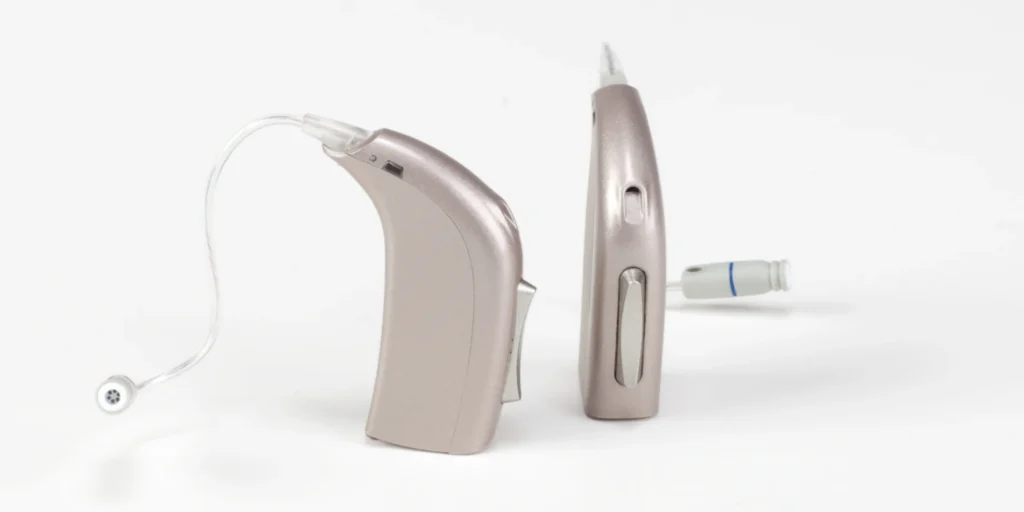

The Future of Hearing Aid Technology
Hearing aid technology has come a long way in recent years. What used to be simple sound amplifiers are now smart, advanced devices that improve hearing, communication, and overall lifestyle. As technology continues to evolve, the future of hearing aids looks even more promising. From artificial intelligence to wireless connectivity, modern innovations are making hearing aids more powerful, comfortable, and user-friendly. In this blog, we will explore the future of hearing aid technology and how it will transform the way people experience sound. Evolution of Hearing Aids Earlier hearing aids were bulky, visible, and offered limited features. They mainly amplified sound without filtering noise, which often made listening uncomfortable. Today, digital hearing aids are small, discreet, and packed with advanced features such as noise reduction, feedback cancellation, and Bluetooth connectivity. With ongoing research and innovation, hearing aids are becoming smarter and more efficient, offering users a natural and personalized hearing experience. Key Trends Shaping the Future of Hearing Aids 1. Artificial Intelligence (AI) Integration Artificial Intelligence is playing a major role in transforming hearing aid technology. Future hearing aids will be able to automatically adjust settings based on your environment. For example, they can detect whether you are in a quiet room, crowded place, or outdoor setting and optimize sound accordingly. AI-powered hearing aids will also learn your preferences over time, providing a more personalized experience without manual adjustments. 2. Improved Sound Quality One of the main goals of future hearing aids is to provide more natural and clear sound. Advanced sound processing technologies will reduce background noise and enhance speech clarity, even in noisy environments. This means users will be able to enjoy conversations, music, and everyday sounds more comfortably and clearly. 3. Wireless Connectivity and Smart Features Modern hearing aids already offer Bluetooth connectivity, allowing users to connect their devices to smartphones, TVs, and other gadgets. In the future, this connectivity will become even more seamless. Users will be able to control their hearing aids through mobile apps, adjust settings, and even receive updates remotely. Integration with smart home devices and virtual assistants will also make hearing aids more convenient to use. 4. Rechargeable and Long-Lasting Batteries Battery technology is improving rapidly, and future hearing aids will come with longer-lasting rechargeable batteries. This eliminates the need for frequent battery replacements and makes the devices more eco-friendly. Some innovations may even include fast charging and wireless charging options for added convenience. 5. Health Monitoring Features One of the most exciting developments is the integration of health monitoring features. Future hearing aids may track physical activity, heart rate, and even detect falls. These features can be especially helpful for elderly users, providing both hearing support and health monitoring in a single device. 6. Smaller and More Discreet Designs As technology becomes more compact, hearing aids will continue to become smaller and less noticeable. Invisible or nearly invisible designs will offer maximum comfort and confidence to users. Despite their small size, these devices will still deliver powerful performance and advanced features. 7. Enhanced Tinnitus Management Future hearing aids will offer improved solutions for managing tinnitus (ringing in the ears). Advanced sound therapy and masking features will help reduce discomfort and improve quality of life for those affected by tinnitus. 8. Real-Time Language Translation One of the most innovative possibilities is real-time language translation. Future hearing aids may be able to translate spoken language instantly, helping users communicate easily in different languages. This feature can be extremely useful for travelers and professionals working in global environments. Benefits of Future Hearing Aid Technology The advancements in hearing aid technology will bring several benefits: These innovations will not only improve hearing but also help users stay connected and independent. Challenges and Considerations While the future looks promising, there are some challenges to consider: However, as technology becomes more common, prices are expected to become more affordable, making advanced hearing aids accessible to more people. How to Prepare for the Future If you are considering a hearing aid, it’s important to stay informed about the latest advancements. Consult a qualified audiologist who can guide you in choosing a device that suits your needs and can be upgraded as technology evolves. Regular hearing check-ups and early intervention also play a key role in getting the best results from hearing aids. Final Thoughts The future of hearing aid technology is exciting and full of possibilities. With innovations like artificial intelligence, wireless connectivity, health tracking, and improved sound quality, hearing aids are becoming more than just devices—they are becoming smart companions for better living. As these technologies continue to develop, users can look forward to a more comfortable, connected, and natural hearing experience. Investing in modern hearing solutions today can help you stay ahead and enjoy the benefits of future advancements. If you or someone you know is experiencing hearing difficulties, now is the perfect time to explore the latest hearing aid options and take a step toward a better hearing future.
The Future of Hearing Aid Technology Read Post »